Understanding Bitcoin's daily price movements, underlying market trends, and key influencing factors is essential for informed decision-making in the digital asset space. For businesses, developers, or content creators operating within the cryptocurrency ecosystem, or even those observing broader financial markets, a clear grasp of Bitcoin's valuation dynamics provides critical context. This asset, known for its volatility and rapid innovation cycles, demands continuous analysis of its market structure, the forces driving its value, and the significant events shaping its trajectory.
Current Bitcoin Market Snapshot
Analyzing Bitcoin’s current market position requires looking beyond the immediate price quote to understand the underlying activity. This involves assessing recent price behavior, trading volumes, and the overall liquidity landscape.
Recent Price Movements and Volatility
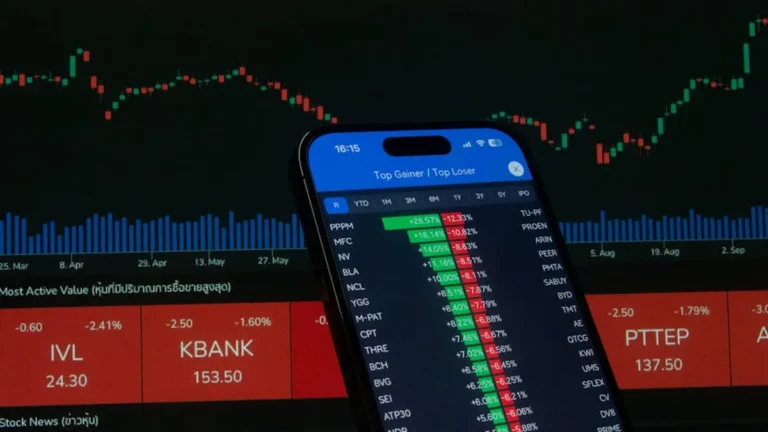
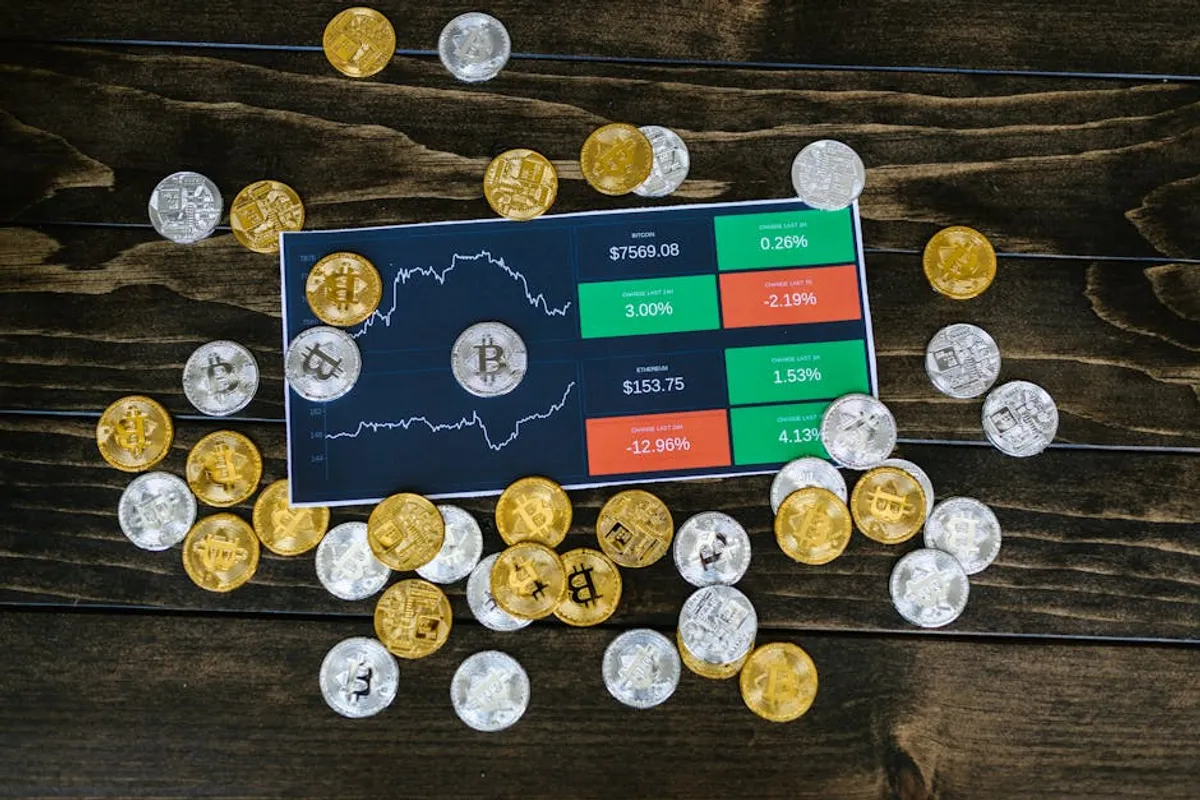
Bitcoin's price frequently experiences significant intraday and weekly fluctuations, reflecting its status as a relatively young and global asset class. These movements are often influenced by a confluence of factors, from major news announcements to large-scale institutional trades. Tracking these short-term shifts provides insight into immediate market sentiment but should be contextualized within longer-term trends. Volatility metrics, such as the Average True Range (ATR), offer a quantitative measure of price swing magnitude, indicating potential risk and opportunity for market participants.
Trading Volume and Liquidity
Trading volume, representing the total amount of Bitcoin bought and sold over a specific period, serves as a crucial indicator of market interest and conviction. High trading volumes accompanying price movements suggest stronger validity in those movements, while low volumes can indicate uncertainty or a lack of strong directional bias. Liquidity, the ease with which Bitcoin can be bought or sold without significantly affecting its price, is directly tied to volume. Higher liquidity generally leads to tighter bid-ask spreads and more efficient price discovery, benefiting all market participants by reducing transaction costs and slippage.
Unpacking Key Bitcoin Price Trends
Bitcoin's price trends are not isolated but are deeply intertwined with global economic conditions, regulatory shifts, technological advancements, and prevailing market psychology.
Macroeconomic Influences
Global macroeconomic factors exert considerable pressure on Bitcoin's valuation. Periods of high inflation, for instance, can drive interest in Bitcoin as a potential hedge against currency debasement, mirroring its "digital gold" narrative. Conversely, rising interest rates in traditional finance can make riskier assets like Bitcoin less attractive as capital flows towards safer, yield-bearing investments. Geopolitical instability also frequently influences Bitcoin, with some investors viewing it as a safe haven asset during times of traditional market uncertainty, while others may liquidate it alongside other risk assets.
Regulatory Developments
Governmental and regulatory actions significantly impact Bitcoin's market perception and operational viability. Clear regulatory frameworks, particularly those that legitimize Bitcoin as an asset class or facilitate its integration into existing financial systems (e.g., through spot exchange-traded funds), tend to foster institutional adoption and boost investor confidence. Conversely, restrictive policies, outright bans, or increased scrutiny can introduce uncertainty, deter investment, and trigger price corrections. The global nature of Bitcoin means that regulatory shifts in major economic blocs can have ripple effects worldwide.
Technological Advancements and Network Health
The underlying technology and health of the Bitcoin network are fundamental to its long-term value. Key events like the Bitcoin halving, which reduces the rate of new Bitcoin creation, directly impact its supply dynamics and are historically associated with significant price appreciation. Network upgrades, such as the Taproot activation, enhance functionality, privacy, and scalability, contributing to its utility. Metrics like hash rate (the total computational power securing the network) and the number of active addresses reflect the network's security and user adoption, respectively. A robust, secure, and actively used network underpins Bitcoin's intrinsic value.
Market Sentiment and Speculation
Market sentiment, driven by news cycles, social media discourse, and institutional pronouncements, plays a substantial role in short-to-medium term price movements. Positive news regarding adoption, technological breakthroughs, or favorable regulatory decisions can ignite bullish sentiment, leading to rapid price increases. Conversely, negative news, security breaches, or FUD (fear, uncertainty, doubt) can trigger sell-offs. Speculation, particularly from retail and institutional traders, amplifies these movements, often leading to exaggerated price swings. Understanding the prevailing market psychology is crucial for interpreting price action.
Key factors influencing market sentiment include:
- Major corporate announcements regarding Bitcoin integration or investment.
- Statements from influential figures or financial institutions.
- Significant data breaches or security vulnerabilities reported in the crypto ecosystem.
- Social media trends and viral discussions.
- Economic data releases and central bank policy decisions.
Drivers of Bitcoin's Value Proposition
Beyond immediate market dynamics, Bitcoin's enduring value proposition rests on several core characteristics that differentiate it from traditional assets.
Scarcity and Supply Dynamics
Bitcoin's most defining feature is its fixed supply cap of 21 million coins, ensuring inherent scarcity. This contrasts sharply with fiat currencies, which can be printed indefinitely. The predictable, diminishing rate of new Bitcoin issuance through the halving mechanism reinforces this scarcity, creating a deflationary asset model. This limited supply, combined with growing demand, forms a fundamental economic principle supporting its long-term value.
Utility and Adoption
Bitcoin's utility extends beyond speculative investment. It functions as a decentralized, censorship-resistant store of value, particularly appealing in regions with economic instability or high inflation. Its use as a medium of exchange, while still developing, is growing through payment processors and Lightning Network integrations. Increasing institutional adoption, including large corporations adding Bitcoin to their balance sheets and traditional financial services offering Bitcoin-related products, signifies a broader acceptance and integration into the global financial landscape, enhancing its perceived utility and legitimacy.
Geopolitical Hedging
In an increasingly interconnected yet volatile world, Bitcoin offers a unique hedging opportunity against geopolitical risks. Its decentralized nature means it operates independently of any single government or financial institution, making it a potential refuge asset during times of international conflict, sanctions, or capital controls. This attribute positions Bitcoin as an alternative, borderless financial instrument for individuals and entities seeking to diversify away from traditional, centrally controlled systems.
Pro Tip: Distinguish between short-term market noise and fundamental shifts. Daily price swings often reflect speculative trading, while long-term trends are shaped by broader adoption, technological milestones, and macroeconomic forces. Focus on the underlying drivers for a more robust understanding.
Navigating Bitcoin Price Information
For those tracking Bitcoin, a comprehensive approach involves synthesizing data from various sources and understanding the context behind price movements. Relying solely on real-time price feeds provides an incomplete picture. Instead, integrate on-chain analytics, which reveal network activity and participant behavior, with global economic indicators, central bank announcements, and geopolitical developments. Reputable financial news outlets and specialized cryptocurrency research platforms offer crucial qualitative and quantitative analysis. This multi-faceted perspective enables a more nuanced interpretation of Bitcoin's current valuation and potential future trajectory, moving beyond simple speculation to informed strategic awareness.
Frequently Asked Questions
What is Bitcoin's primary value proposition?
Bitcoin's primary value proposition stems from its decentralized, censorship-resistant nature, fixed supply cap, and its role as a potential store of value and medium of exchange, independent of traditional financial institutions.
How do halving events affect Bitcoin's price?
Halving events reduce the rate at which new Bitcoin enters circulation, effectively decreasing its supply inflation. Historically, these events have preceded significant price appreciation due to the increased scarcity against sustained or growing demand.
What role does institutional adoption play in Bitcoin's price?
Institutional adoption, through investments by corporations, asset managers, and the introduction of regulated financial products like ETFs, brings significant capital, increased legitimacy, and broader market access, often leading to upward price pressure and reduced volatility over time.
Is Bitcoin considered a good inflation hedge?
Bitcoin is often considered a potential inflation hedge due to its fixed supply and decentralized nature, which theoretically protects its value against the debasement of fiat currencies. However, its high volatility means its effectiveness as a short-term hedge can vary, and its long-term performance is still being observed.