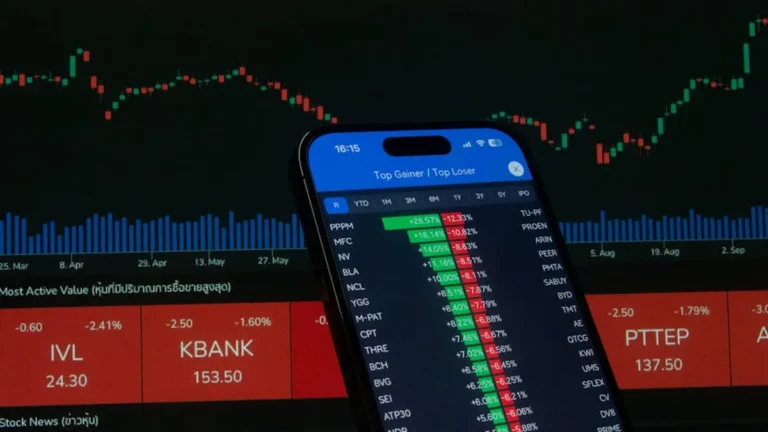
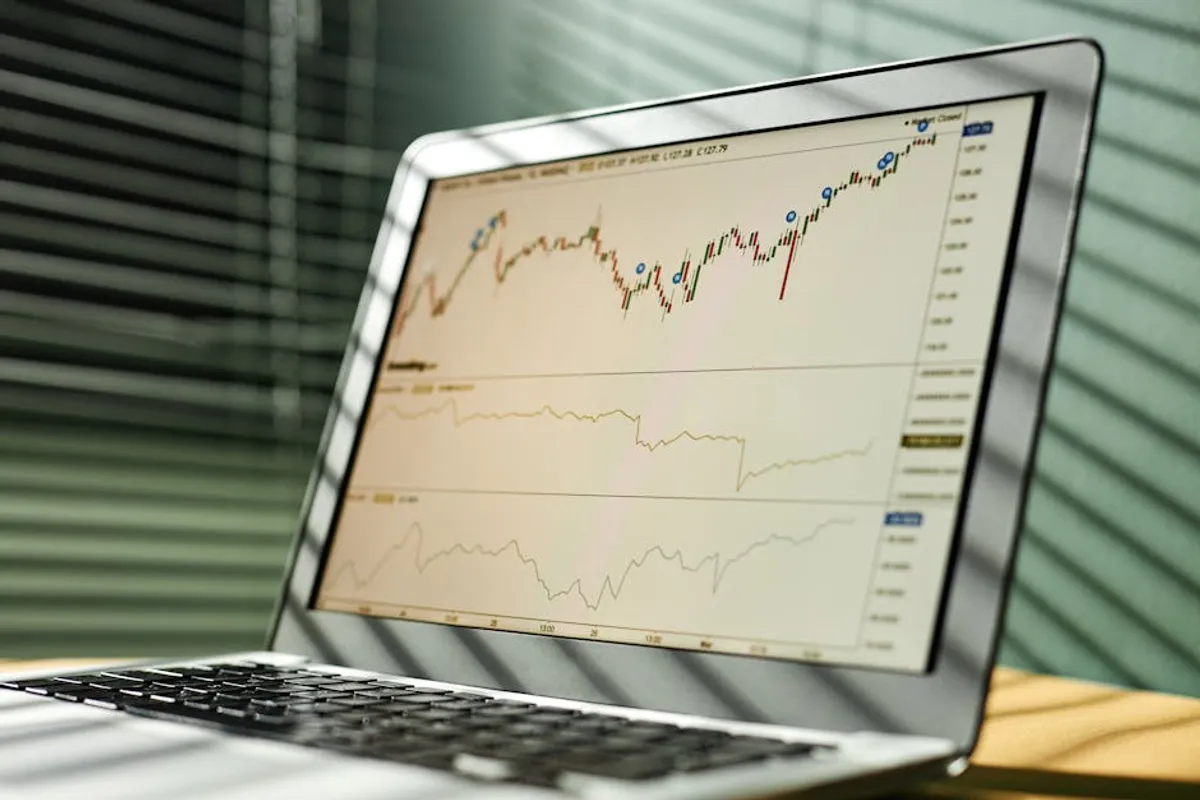
Dow Jones Futures serve as a critical barometer for upcoming market sentiment, providing early indications of how the broader market, specifically the Dow Jones Industrial Average, might open or react to new information. For businesses, investors, and strategic planners, understanding these signals moves beyond mere speculation; it informs tangible decisions about capital allocation, risk management, and market positioning. Monitoring these futures allows for a proactive stance rather than a reactive one, offering a window into the collective anticipation of economic data, corporate earnings, and geopolitical events before the official market opens.
Understanding Dow Jones Futures as Market Indicators
Dow Jones Industrial Average (DJIA) futures contracts are agreements to buy or sell the value of the DJIA at a predetermined price on a future date. While the DJIA itself tracks 30 large, publicly owned companies trading on the New York Stock Exchange and NASDAQ, its futures contracts trade almost around the clock, providing a continuous pulse of market expectations. Their primary utility lies in their ability to reflect investor sentiment and potential price movements before the regular trading session begins.
These futures are not direct trades of the underlying stocks but rather derivatives whose value is tied to the DJIA. Their price fluctuations are driven by the same factors that influence the stock market: economic reports, corporate news, interest rate expectations, and global events. Consequently, significant movements in Dow Jones futures often foreshadow similar movements in the cash market once it opens.
Key Market Signals from Futures Movements
The movement of Dow Jones Futures provides several actionable signals:
- Pre-Market Sentiment: A strong upward trend in futures suggests optimism and potential buying pressure for the upcoming trading day. Conversely, a sharp decline indicates bearish sentiment and anticipated selling pressure. This can inform decisions on pre-market order placement or adjustments to daily trading strategies.
- Reaction to Economic Data: Futures often react instantaneously to the release of key economic indicators, such as inflation reports, employment figures, or GDP growth. A sudden spike or drop post-announcement reveals how market participants are interpreting the data and its implications for monetary policy or corporate profitability.
- Global Event Impact: Major geopolitical developments, international market closures, or significant news from other global economies are frequently reflected in Dow Jones Futures before U.S. markets open. This provides an early assessment of how global factors might influence domestic asset prices.
- Corporate Earnings Anticipation: Futures can show a collective reaction to major corporate earnings reports released after market close or before market open. A notable shift can indicate broader investor confidence or concern about the health of specific sectors or the overall economy.
Interpreting Futures Movement for Commercial Decisions
The direct commercial value of monitoring Dow Jones Futures lies in their predictive power regarding broader market conditions. Businesses and investors can leverage this information to refine their strategies.
Strategic Planning: For companies considering capital expenditures, mergers, or significant operational shifts, a clear understanding of prevailing market sentiment can influence timing. A consistently strong futures market might indicate a favorable environment for IPOs or debt issuance, while persistent weakness could signal caution.
Risk Management: Futures provide an early warning system for potential market volatility. Businesses with significant market exposure, such as those with large investment portfolios or those whose revenues are highly sensitive to economic cycles, can use futures to anticipate and mitigate risks. This might involve hedging strategies or adjusting portfolio allocations before the market opens.
Marketing and Sales Adjustments: Consumer and business confidence often correlates with market performance. A sustained positive outlook indicated by futures might suggest an opportune time to launch new products or increase marketing spend, anticipating higher consumer receptivity. Conversely, a negative outlook might warrant a more conservative approach.
Investment Entry/Exit Points: Active investors and fund managers use futures to gauge optimal entry or exit points for positions. A futures rally might confirm a bullish thesis, while a sudden downturn could trigger stop-loss orders or prompt a re-evaluation of long positions.
Pro Tip: While Dow Jones Futures offer valuable early insights, they are not infallible predictors. They represent sentiment at a specific point in time and can reverse course quickly due to new information. Always cross-reference futures data with other fundamental and technical indicators before making significant commercial or investment decisions.
Integrating Futures Data into Operational Frameworks
For strategic decision-makers, integrating futures data involves more than just glancing at a ticker. It requires a systematic approach:
Data Aggregation: Utilize financial news platforms, brokerage interfaces, or dedicated market data services that provide real-time Dow Jones Futures quotes and historical data. Many platforms also offer analytical tools to identify trends and correlations.
Contextual Analysis: Always consider the context of futures movements. Is the movement driven by a specific economic report, a global event, or a corporate announcement? Understanding the catalyst is as important as observing the movement itself.
Scenario Planning: Develop contingency plans based on potential market openings. For instance, if futures indicate a significant downturn, what operational adjustments or communication strategies need to be prepared? If a strong rally is indicated, what opportunities might arise?
Cross-Referencing: Combine futures data with other indicators such as bond yields, currency movements, and commodity prices. A holistic view provides a more robust understanding of overall market health and potential trajectory.
Strategic Monitoring for Market Advantage
The consistent monitoring of Dow Jones Futures offers a distinct advantage by providing an early read on market direction and sentiment. This foresight enables businesses and investors to refine their strategies, manage risk more effectively, and capitalize on emerging opportunities. By understanding not just what the futures are doing, but what those movements mean in a broader commercial context, stakeholders can make more informed and timely decisions, enhancing resilience and competitive positioning in dynamic market environments.
Frequently Asked Questions
What is the Dow Jones Industrial Average (DJIA) and how do futures relate?
The DJIA is a stock market index that tracks 30 large, publicly owned companies trading on the New York Stock Exchange and NASDAQ. Dow Jones Futures are derivative contracts whose value is tied to the expected future value of the DJIA, allowing investors to speculate on or hedge against its price movements before the main market opens.
How far in advance do Dow Jones futures trade?
Dow Jones futures contracts trade nearly 24 hours a day, five days a week, typically from Sunday evening through Friday afternoon, with a brief pause each day. This extended trading window allows them to react to global events and economic data releases outside of standard U.S. market hours.
Are Dow Jones futures always accurate predictors of the market open?
While Dow Jones futures are strong indicators of pre-market sentiment and often predict the direction of the market open, they are not always perfectly accurate. New information released between futures trading and the market open can cause shifts, and futures can also experience volatility that doesn't fully translate to the cash market.
Where can I monitor Dow Jones futures data?
Real-time Dow Jones futures data can be monitored on various financial news websites, dedicated market data platforms, and through brokerage accounts that offer futures trading. Many financial media outlets provide free, delayed futures quotes, while real-time data often requires a subscription or an active trading account.