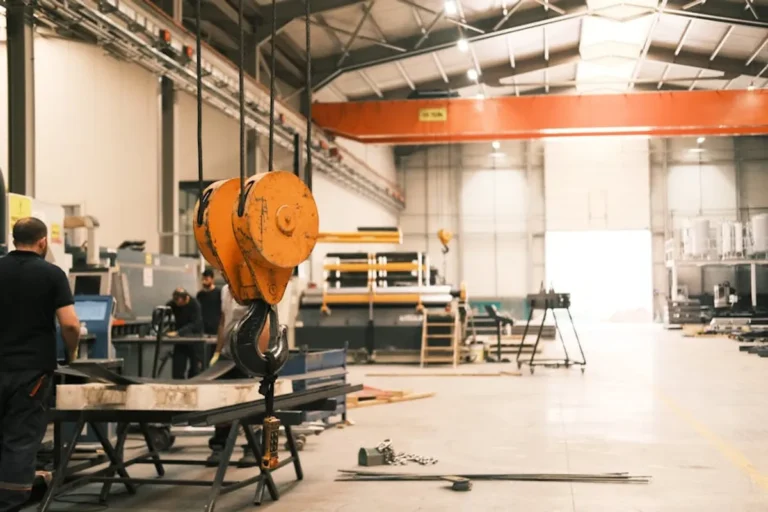

Unscheduled downtime in industrial operations directly impacts productivity, profitability, and safety. Every minute an assembly line halts or a critical machine fails, it translates into lost production, increased labor costs for emergency repairs, and potential revenue loss. The goal of any operation is to maintain consistent output and optimize asset utilization, making downtime reduction a core operational imperative. This guide outlines actionable strategies to mitigate and prevent these costly interruptions, focusing on proactive measures and systemic improvements rather than reactive fixes. This guide outlines actionable strategies to mitigate and prevent these costly interruptions, focusing on proactive measures and systemic improvements rather than reactive fi and investing in predictive maintenance technologies can further enhance operational reliability.
Quantifying the Impact of Operational Downtime
Before implementing solutions, it is crucial to understand the full financial and operational impact of downtime. This extends beyond immediate repair costs to include lost production volume, missed delivery deadlines, expedited shipping fees for replacement parts, and potential penalties for contract breaches. Less tangible but equally significant are the impacts on employee morale, safety risks associated with rushed repairs, and damage to brand reputation from unreliable output. Calculating the cost per hour of downtime for specific assets or production lines provides a clear metric for justifying investment in reduction strategies.
Implementing Predictive Maintenance Strategies
Shifting from reactive or time-based preventive maintenance to a predictive approach is a primary driver for downtime reduction. Predictive maintenance (PdM) uses data to forecast equipment failures, allowing maintenance activities to be scheduled precisely when needed, before a breakdown occurs, but not so early that it wastes useful life. This minimizes unscheduled stoppages and maximizes asset uptime.
- Condition Monitoring: Employ sensors to track key operational parameters such as vibration, temperature, pressure, and lubricant quality. Anomalies in these readings often indicate impending failure.
- IoT Integration: Connect sensors and machinery to a centralized data platform. This enables real-time monitoring and data aggregation, providing a comprehensive view of asset health across the entire operation.
- AI/ML for Anomaly Detection: Utilize machine learning algorithms to analyze historical and real-time sensor data. These algorithms can identify subtle patterns indicative of failure long before human operators or traditional thresholds would.
Pro Tip: Successful predictive maintenance implementation hinges on data quality and integration. Ensure sensors are calibrated correctly, data streams are reliable, and the analytics platform can effectively process and interpret diverse data sets from various machinery types.
Optimizing Inventory and Spare Parts Management
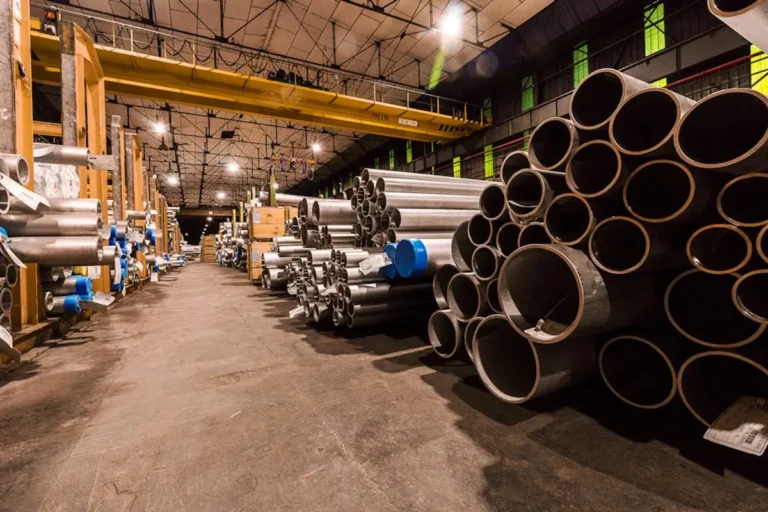
Lack of critical spare parts is a common cause of extended downtime. An optimized inventory management system ensures that necessary components are available when needed, without incurring excessive carrying costs for obsolete or rarely used items.
Critical Spares Identification
Identify parts that are essential for continuous operation and have long lead times or high failure rates. These should be stocked appropriately based on risk assessment and historical data.
Supplier Relationship Management
Establish strong relationships with key suppliers to negotiate favorable terms, ensure rapid delivery of non-stocked items, and gain insights into future part availability or obsolescence.
Enhancing Operator Training and Skill Development
Well-trained operators and maintenance technicians are critical for minimizing downtime. Operators who understand their machinery can identify early warning signs of malfunction, perform basic troubleshooting, and execute minor adjustments that prevent escalation to a major breakdown. Skilled technicians can diagnose and repair issues more quickly and effectively.
Key areas for training focus:
- Machine-specific operation and safety protocols.
- Basic diagnostic procedures for common faults.
- Preventive maintenance tasks (e.g., lubrication, filter changes).
- Use of diagnostic tools and software.
- Root cause analysis techniques to prevent recurrence.
Leveraging Data Analytics for Operational Insights
Beyond predictive maintenance, comprehensive data analytics can uncover systemic issues contributing to downtime. By analyzing historical maintenance records, production logs, and sensor data, patterns emerge that reveal bottlenecks, inefficient processes, or recurring equipment failures. This data-driven approach moves operations from guesswork to informed decision-making.
Applications:
- Identifying consistently underperforming assets.
- Pinpointing specific failure modes that require engineering solutions.
- Optimizing maintenance schedules based on real-world usage and wear.
- Benchmarking performance across different shifts or production lines.
Standardizing Procedures and Workflows
Inconsistent work practices can lead to errors, extended repair times, and increased risk of equipment failure. Developing and adhering to standardized operating procedures (SOPs) for both production and maintenance tasks ensures consistency, reduces reliance on individual knowledge, and streamlines operations.
Elements of standardization:
- Clear, documented SOPs for all critical tasks.
- Checklists for routine inspections and maintenance.
- Digital work order systems for tracking and documenting repairs.
- Regular audits to ensure compliance with established procedures.
Continuous Improvement and Root Cause Analysis
Downtime reduction is not a one-time project but an ongoing process. Implementing a culture of continuous improvement, supported by robust root cause analysis (RCA), is essential. When downtime occurs, RCA goes beyond fixing the immediate problem to identify the underlying causes, preventing recurrence.
RCA process steps typically include:
- Defining the problem and its impact.
- Collecting data related to the incident.
- Identifying possible causal factors.
- Determining the most probable root cause(s).
- Developing and implementing corrective actions.
- Monitoring the effectiveness of these actions.
Proactive Strategies for Operational Resilience
Reducing downtime requires a holistic approach that integrates technology, process optimization, and human capital development. By adopting predictive maintenance, refining inventory practices, investing in training, and leveraging data, industrial operations can move from a reactive stance to a proactive one. This shift not only minimizes costly interruptions but also enhances overall operational resilience, leading to more consistent output, improved safety, and sustained profitability.
Frequently Asked Questions
What is the primary benefit of predictive maintenance over preventive maintenance?
Predictive maintenance allows for maintenance activities to be performed exactly when needed, just before a potential failure. This minimizes unscheduled downtime and maximizes the useful life of components, unlike preventive maintenance which follows a fixed schedule, potentially leading to premature part replacement or missed issues.
How can small to medium-sized industrial operations implement downtime reduction strategies without large capital investments?
Start by focusing on low-cost, high-impact strategies such as comprehensive operator training, developing robust standard operating procedures, and implementing basic condition monitoring (e.g., manual temperature checks, visual inspections). Leverage existing data from maintenance logs for basic trend analysis before investing in advanced IoT or AI solutions.
What role does employee training play in reducing downtime?
Well-trained employees can identify early signs of equipment malfunction, perform routine maintenance tasks correctly, and execute efficient troubleshooting. This reduces the likelihood of minor issues escalating into major breakdowns and shortens the time required for repairs, contributing significantly to overall uptime.