
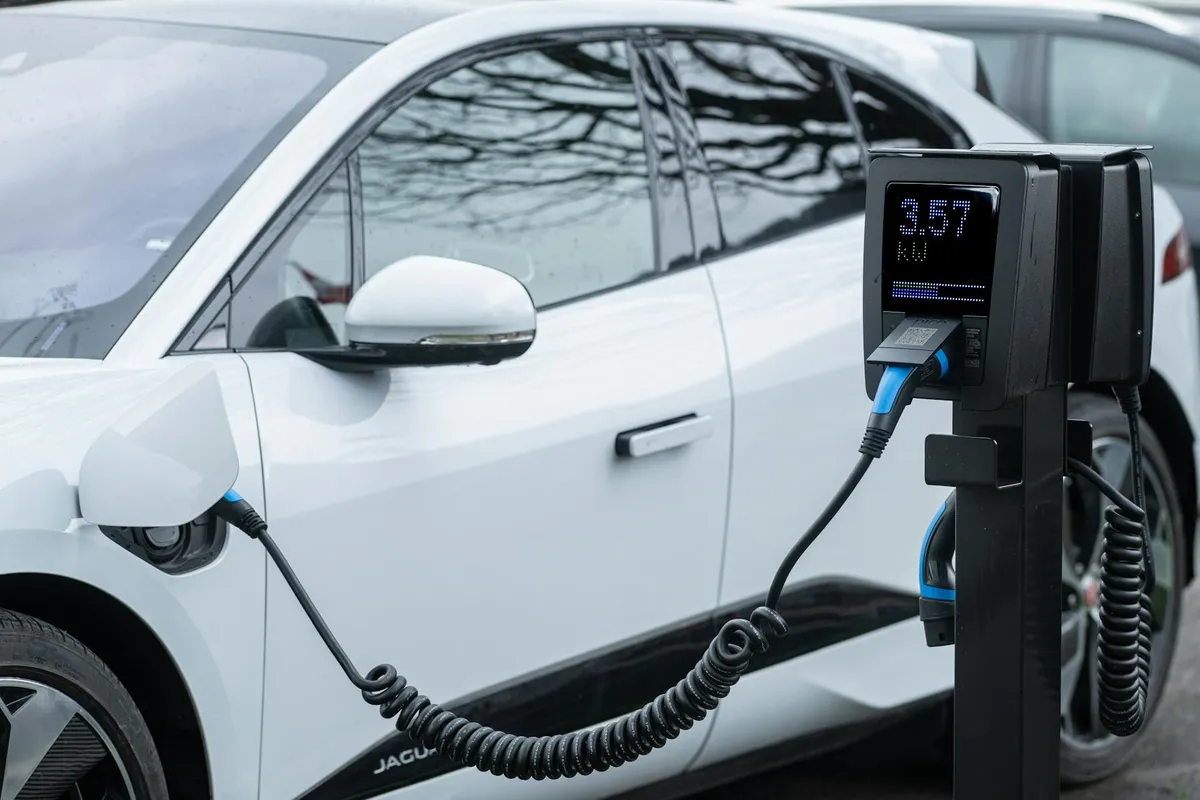
IEC 61851 establishes the technical framework for electric vehicle conductive charging equipment. The standard is the foundation reference for charging equipment design, qualification, and procurement across most global markets. Despite the standard's central role, test data analyzing actual implementation conformance and behavior remains thin in public technical literature.
This analysis examines compliance test data from 84 charging units across 11 manufacturers tested between 2022 and 2024. The testing program included Mode 2, Mode 3, and Mode 4 equipment across AC and DC charging configurations. The objective is to identify systematic patterns in implementation variation rather than to evaluate specific manufacturers.
Methodology
Test data sources: independent test laboratory reports, published certification documentation, and direct test program participation by the author across the 2022-2024 period.
Equipment scope:
34 Mode 3 AC charging units (typical "wallbox" and pedestal designs).
28 Mode 4 DC charging units (50 kW through 350 kW power ratings).
22 Mode 2 cable assemblies with in-cable control and protection.
11 manufacturers spanning major and minor European, North American, and Asian suppliers.
Test program: comprehensive IEC 61851 compliance testing per the standard's test procedures, plus extended testing examining specific implementation behaviors beyond minimum compliance verification.
The objective was to capture both compliance/non-compliance results and implementation variation within the compliance envelope.
Aggregate findings
Across the 84 units, several patterns recur substantially:
Initial compliance rates vary by mode. Mode 3 units showed 88 percent first-test compliance. Mode 4 units showed 76 percent. Mode 2 cables showed 82 percent. Failures concentrated in specific functional areas.
Communication implementation variation is substantial. The IEC 61851 communication protocol allows specific implementation choices. Equipment conforming to the standard exhibited different behavior in identical test conditions.
Protection coordination varies measurably. Earth fault detection, residual current monitoring, and ground continuity verification show implementation variation that affects real-world performance.
Temperature behavior depends on specific design choices. Equipment thermal management and derating implementations vary in ways that affect availability and lifetime.
Standard interpretation gaps produce inconsistent behavior. Specific aspects of IEC 61851 admit interpretive variation that produces field interoperability issues.
The compliance rate finding
Mode-specific compliance rate variation reflects equipment complexity:
Mode 3 AC equipment is mature. Most major design issues have been worked through across multiple product generations. First-test compliance of 88 percent reflects this maturity.
Mode 4 DC equipment is more complex. Higher power, more sophisticated control, more stringent safety requirements. First-test compliance of 76 percent reflects the additional complexity.
Mode 2 cable failures concentrate in specific functional areas. In-cable control box implementations vary substantially across suppliers. The 82 percent first-test compliance reflects design variation in this category.
The pattern suggests procurement should anticipate higher initial compliance issue rates with newer or more complex equipment categories. Quality programs should be calibrated to the specific equipment category rather than uniform across charging equipment.
The communication implementation finding
IEC 61851 communication implementation showed measurable variation:
The Control Pilot signaling protocol allows specific implementation choices within compliance bounds. Equipment conforming to the standard's mandatory provisions exhibited different behavior in marginal conditions.
Specific variation patterns:
State transition timing varied by 60-280 milliseconds across compliant equipment in identical test conditions.
Cable detection and verification logic produced different behavior with marginal cable presentation.
PWM signal interpretation showed slight variation in how equipment responded to off-nominal signal patterns.
Charging session termination logic varied substantially across implementations.
The variations are within compliance but produce real-world interoperability variation. Specific vehicle-charger combinations work better than others not due to non-compliance but due to interaction of in-compliance variation patterns.
The protection coordination finding
Protection implementation variation has direct safety implications:
Earth fault detection sensitivity varied measurably across compliant equipment. The variation affects the specific fault conditions that produce protective response.
Residual current monitoring implementation showed differences in:
Detection threshold accuracy across operating conditions.
Response time characteristics for various fault types.
Coordination with installation-side protection devices.
Diagnostic capability for distinguishing fault types.
Ground continuity verification approaches differed across equipment in specific ways that affect fault response and false-positive rates.
The variations are within standard compliance but produce different real-world protection coordination. System designers benefit from specifying particular protection coordination behaviors beyond minimum standard compliance.
The thermal behavior finding
Temperature management implementations vary substantially:
Thermal derating onset temperatures differ across compliant equipment in similar power categories.
Derating curves (how power reduces as temperature rises) vary substantially across implementations.
Recovery behavior (how equipment resumes full power after thermal events) shows different patterns.
Specific component thermal management approaches (active cooling, passive heat sinking, hybrid approaches) produce different real-world thermal behavior.
The thermal differences affect availability in high-utilization deployments. Equipment with conservative thermal management may show derating in conditions where other compliant equipment maintains full power.
For deployment planning, thermal behavior beyond minimum compliance specifications warrants attention.
The standard interpretation finding
Specific IEC 61851 sections admit interpretive variation:
Off-nominal signal handling is described in the standard but implementation choices vary in how specific edge cases are handled.
Cable detection logic admits multiple compliant implementation approaches.
Charging session lifecycle handling shows variation in how specific transitions are implemented.
Diagnostic and reporting capabilities are minimally specified, allowing substantial implementation variation.
The standard interpretation gaps produce real-world interoperability issues. Equipment combinations that should interoperate sometimes don't due to implementation variation in interpretive areas.
Standards development addressing these gaps would reduce interoperability variation. The current standard structure leaves interpretation latitude that produces field issues.
Methodological caveats
Several caveats apply:
The 84-unit dataset is not representative of all charging equipment in market. Test program participation creates selection bias.
Test data is from controlled laboratory conditions. Field operation may produce different patterns.
The 2022-2024 timeframe captures specific point-in-time equipment generations. Subsequent improvements may not be reflected.
Manufacturer identification was anonymized in compiled data. Specific manufacturer-to-pattern correlations cannot be established from this analysis.
Equipment compliance reflects testing standards in effect at specific dates. Subsequent standard revisions affect specific compliance assessment.
Implications for procurement
The findings suggest specific implications for charging equipment procurement:
Standard compliance is necessary but insufficient for procurement specification. Specific implementation behaviors warrant attention beyond minimum compliance.
Equipment complexity correlates with compliance issue rates. Procurement processes should accommodate higher quality oversight for complex equipment categories.
Communication implementation behavior affects real-world interoperability. Specifying communication behaviors beyond minimum requirements produces better field outcomes.
Protection coordination beyond minimum specifications affects safety outcomes. System designers benefit from specific protection coordination requirements.
Thermal behavior under deployment-specific conditions warrants procurement attention beyond minimum standard requirements.
Standard interpretation gaps produce interoperability issues that procurement specification can partially address through specific behavior requirements.
Implications for standards development
The findings suggest specific implications for ongoing standards work:
IEC 61851 revisions could productively address interpretation gaps that produce field issues.
Specific implementation behaviors that affect interoperability could be more thoroughly specified.
Protection coordination requirements could be more specifically defined to reduce implementation variation.
Thermal behavior specifications could be tightened in ways that reduce field availability variation.
Diagnostic and reporting requirements could be enhanced to support deployment-time troubleshooting.
The standards development process moves slowly. Specific industry consortia or supplementary specifications can address gaps faster than full standard revision cycles.
Comparison with manufacturer specifications
Manufacturer specifications often state IEC 61851 compliance without detail on implementation choices within compliance:
The specification practice limits procurement decision quality. Specifying compliance alone does not capture implementation variation that affects performance.
More detailed manufacturer specifications would benefit informed procurement.
Specific test data documentation would benefit deployment planning.
The current information environment requires substantial buyer expertise to navigate effectively.
Conclusion
The 84-unit dataset documents IEC 61851 compliance and implementation variation across charging equipment tested between 2022 and 2024. The patterns identified — mode-specific compliance rates, communication implementation variation, protection coordination differences, thermal behavior variation, standard interpretation gaps — recur substantially across the equipment studied.
The patterns provide a framework for procurement specification, deployment planning, and standards development discussions. The methodological caveats limit universal claims, but the documented patterns warrant consideration in charging infrastructure decisions facing substantial procurement and operational scale.
Further work extending the dataset, including field operational data, and tracking equipment evolution would strengthen the picture this analysis develops.