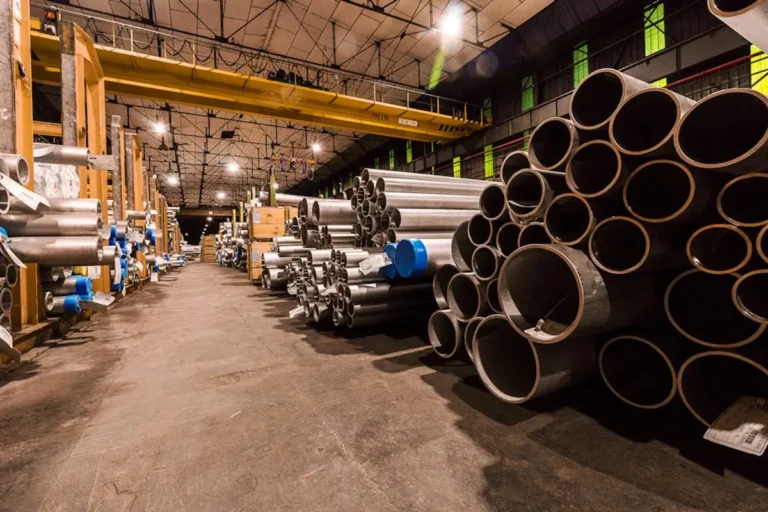

Industrial procurement, distinct from general purchasing, involves the acquisition of goods, services, and works crucial for manufacturing, operations, and infrastructure development within large organizations. It is not merely about securing the lowest price, but about ensuring continuity of supply, managing complex vendor relationships, mitigating operational risks, and contributing to the overall strategic objectives of the enterprise. The stakes are higher due to the scale of investment, the criticality of components to production lines, and the long-term impact on supply chain resilience and profitability. Effective industrial procurement directly influences product quality, market competitiveness, and financial performance.
For procurement professionals, identifying and implementing best practices is fundamental to navigating this intricate landscape. The challenge lies in moving beyond transactional buying to a strategic function that drives value. This requires a nuanced understanding of market dynamics, technological advancements, and internal stakeholder needs. The practices outlined below offer a framework for optimizing industrial procurement, focusing on areas that yield tangible improvements in efficiency, cost control, risk mitigation, and strategic alignment.
What Defines Effective Industrial Procurement?
Effective industrial procurement is characterized by its strategic orientation, moving beyond simple transactional purchasing to a function that actively contributes to an organization's competitive advantage. It prioritizes long-term value over short-term cost savings, recognizing that the total cost of ownership often outweighs the initial purchase price. Key indicators of an effective procurement operation include a robust supplier network, resilient supply chains, proactive risk management, and a culture of continuous improvement. It integrates technology to streamline processes, enhance data visibility, and enable more informed decision-making. Ultimately, effective industrial procurement aligns closely with business objectives, supporting innovation, sustainability, and operational excellence.
1. Strategic Sourcing
Strategic sourcing moves beyond reactive purchasing to proactively identify, evaluate, and select suppliers for long-term partnerships that align with organizational goals. This involves a comprehensive analysis of spending patterns, market conditions, and supplier capabilities to consolidate purchases, leverage volume discounts, and secure favorable terms. The process typically includes category management, where goods and services are grouped by type to optimize sourcing strategies. It emphasizes total cost of ownership (TCO) rather than just unit price, factoring in quality, delivery, service, and risk.
Best For: Organizations with significant spend across multiple categories seeking to achieve substantial cost reductions, improve supplier performance, and enhance supply chain efficiency.
Pros: Reduces overall procurement costs through consolidation and negotiation; improves supplier quality and reliability; fosters long-term, mutually beneficial supplier relationships; enhances supply chain visibility and control.
Cons: Requires significant upfront investment in data analysis and market research; can be time-consuming to implement; may face internal resistance from departments accustomed to independent purchasing.
Verdict: Fundamental for any organization aiming to transform procurement from a cost center into a strategic value driver, delivering sustained savings and improved operational outcomes.
2. Supplier Relationship Management (SRM)
SRM is the systematic approach to evaluating and improving interactions with key suppliers. It extends beyond contract management to build collaborative relationships, fostering innovation, reducing risks, and driving continuous improvement. This practice involves segmenting suppliers based on their strategic importance, developing joint performance metrics, and establishing regular communication channels. The goal is to maximize the value derived from these relationships, treating critical suppliers as extensions of the internal team.
Best For: Companies reliant on a limited number of critical suppliers for core components or services, where supply continuity and quality are paramount.
Pros: Enhances supplier performance and responsiveness; facilitates joint problem-solving and innovation; reduces supply chain risks; improves contract compliance and long-term value.
Cons: Requires dedicated resources and commitment from both parties; can be challenging to implement across a large supplier base; demands robust communication and performance tracking systems.
Verdict: Essential for securing a resilient and high-performing supply chain, turning transactional relationships into strategic partnerships that deliver competitive advantages.
3. Total Cost of Ownership (TCO) Analysis
TCO analysis is a financial methodology that calculates the full cost of acquiring, owning, and disposing of an asset or service over its entire lifecycle. It goes beyond the initial purchase price to include costs such as maintenance, training, energy consumption, financing, downtime, disposal, and even the cost of poor quality. By providing a holistic view of expenses, TCO enables more informed purchasing decisions that prioritize long-term value over short-term savings, preventing costly missteps.
Best For: Capital-intensive industries, procurement of complex machinery, IT systems, or services where operational and lifecycle costs significantly impact profitability.
Pros: Leads to more accurate budgeting and forecasting; identifies hidden costs and potential savings opportunities; supports strategic decision-making by revealing the true economic impact of purchases; improves asset utilization.
Cons: Data collection can be complex and time-consuming; requires cross-functional collaboration to gather all relevant cost components; assumptions about future costs may introduce inaccuracies.
Verdict: A critical practice for making financially sound procurement decisions, ensuring that investments deliver optimal long-term value rather than just immediate price advantages.
4. Digital Transformation & Automation
Digital transformation in procurement involves leveraging technologies like AI, machine learning, robotic process automation (RPA), and cloud-based platforms to automate routine tasks, enhance data analytics, and improve overall process efficiency. This includes e-procurement systems for requisitioning and ordering, automated invoice processing, and predictive analytics for demand forecasting. Automation reduces manual errors, frees up procurement staff for strategic activities, and provides real-time visibility into spending and supplier performance.
Best For: Organizations looking to streamline operations, reduce administrative overhead, improve data accuracy, and gain deeper insights into procurement activities.
Pros: Increases operational efficiency and speed; reduces human error and administrative costs; provides superior data for decision-making; enhances compliance and transparency; improves user experience for internal stakeholders.
Cons: Requires significant initial investment in technology and training; integration with existing legacy systems can be challenging; data security and privacy concerns must be addressed; resistance to change from employees.
Verdict: Essential for modern industrial procurement, enabling greater agility, efficiency, and strategic focus by automating repetitive tasks and providing advanced analytical capabilities.
5. Risk Management & Resilience Planning
This practice involves proactively identifying, assessing, and mitigating potential disruptions within the supply chain. It encompasses financial risks, geopolitical instability, natural disasters, cyber threats, and supplier performance issues. Resilience planning develops strategies to absorb shocks and recover quickly, such as diversifying the supplier base, maintaining strategic inventory buffers, and implementing robust contingency plans. The goal is to ensure business continuity and protect against unforeseen events that could impact production or service delivery.
Best For: Industries with complex global supply chains, high-value components, or those operating in volatile markets where disruptions can have severe financial and reputational consequences.
Pros: Minimizes operational disruptions and financial losses; protects brand reputation; ensures continuity of supply; improves decision-making during crises; enhances overall supply chain stability.
Cons: Requires continuous monitoring and updating of risk assessments; can be resource-intensive to implement and maintain; may involve trade-offs between cost efficiency and resilience measures.
Verdict: Indispensable for navigating an increasingly unpredictable global landscape, transforming potential vulnerabilities into sources of competitive advantage through proactive preparedness.
6. Sustainable & Ethical Procurement
Sustainable and ethical procurement integrates environmental, social, and governance (ESG) considerations into purchasing decisions. This includes sourcing from suppliers with strong environmental records, fair labor practices, and transparent supply chains. It involves evaluating the lifecycle impact of products, promoting circular economy principles, and ensuring compliance with ethical standards and regulations. This practice not only mitigates reputational risks but also responds to growing consumer and regulatory demands for responsible business conduct.
Best For: Organizations committed to corporate social responsibility, seeking to enhance brand reputation, comply with evolving regulations, and attract ethically conscious customers and talent.
Pros: Enhances brand image and customer loyalty; reduces regulatory and reputational risks; fosters innovation in sustainable products and processes; contributes to long-term environmental and social well-being; can unlock new market opportunities.
Cons: May involve higher initial costs for ethically sourced goods; requires extensive supplier auditing and due diligence; supply chain transparency can be difficult to achieve; potential for "greenwashing" if not genuinely implemented.
Verdict: A strategic imperative for modern businesses, moving beyond compliance to genuinely embed responsibility into procurement practices, yielding both ethical and commercial benefits.
7. Demand Forecasting & Inventory Optimization
This practice focuses on accurately predicting future demand for goods and services to optimize inventory levels and avoid stockouts or overstocking. It utilizes historical data, market trends, economic indicators, and collaborative planning with internal stakeholders (e.g., production, sales). Advanced analytics and forecasting models help procurement teams anticipate needs, negotiate better terms with suppliers, and ensure timely delivery of materials, directly impacting operational efficiency and working capital.
Best For: Manufacturing, retail, and distribution sectors where inventory management directly affects operational costs, customer satisfaction, and production schedules.
Pros: Reduces inventory holding costs; minimizes stockouts and production delays; improves cash flow by optimizing working capital; enhances supplier relationships through better planning; supports just-in-time (JIT) strategies.
Cons: Forecasting is inherently uncertain, especially for new products or volatile markets; requires robust data collection and analytical capabilities; prone to "bullwhip effect" if not managed collaboratively across the supply chain.
Verdict: Crucial for maintaining operational fluidity and cost efficiency, ensuring that the right materials are available at the right time without incurring excessive inventory expenses.
8. Contract Management & Compliance
Effective contract management involves the systematic administration of contracts from creation through execution and analysis to maximize operational and financial performance, and to minimize risk. This includes maintaining a centralized repository of contracts, tracking key clauses, monitoring performance against service level agreements (SLAs), and managing renewals. Compliance ensures that all procurement activities adhere to legal, regulatory, and internal policy requirements, safeguarding the organization from penalties and disputes.
Best For: All organizations, particularly those with a large volume of complex contracts, requiring stringent legal and financial oversight, and aiming to mitigate contractual risks.
Pros: Reduces legal and financial risks; ensures adherence to terms and conditions; improves supplier accountability; identifies opportunities for contract optimization and cost savings; enhances audit readiness.
Cons: Can be administratively intensive without appropriate software; requires legal expertise; poor contract visibility can lead to missed opportunities or non-compliance; potential for disputes if terms are ambiguous.
Verdict: A foundational practice for maintaining control over supplier relationships, protecting organizational interests, and ensuring that agreements deliver their intended value.
9. Cross-Functional Collaboration
Cross-functional collaboration involves breaking down silos between procurement and other departments such as engineering, production, finance, and sales. By involving these stakeholders early in the procurement process, organizations can better understand internal needs, leverage specialized expertise, and ensure that purchasing decisions align with broader business objectives. This collaborative approach fosters shared ownership of procurement outcomes and can lead to more innovative solutions and greater internal buy-in.
Best For: Organizations seeking to optimize product development cycles, improve specification accuracy, enhance internal customer satisfaction, and drive enterprise-wide cost efficiencies.
Pros: Improves the quality and relevance of procured goods/services; reduces rework and delays; fosters innovation through diverse perspectives; enhances internal stakeholder satisfaction; increases transparency and trust.
Cons: Can be challenging to coordinate across different departments with varying priorities; requires strong leadership and communication skills; potential for conflicts if roles and responsibilities are not clearly defined.
Verdict: Essential for integrating procurement into the strategic fabric of the organization, ensuring that purchasing decisions are informed by a holistic view of business needs and opportunities.
10. Performance Measurement & Analytics
This practice involves establishing clear metrics (Key Performance Indicators - KPIs) to track and evaluate the effectiveness of procurement activities. KPIs can include cost savings achieved, supplier performance ratings, lead times, contract compliance rates, and spend under management. Leveraging data analytics tools allows procurement teams to identify trends, pinpoint areas for improvement, measure the impact of strategic initiatives, and demonstrate procurement's value to the organization. Regular reporting and analysis drive accountability and continuous improvement.
Best For: Organizations committed to data-driven decision-making, seeking to quantify procurement's contribution, identify inefficiencies, and continuously refine strategies.
Pros: Provides objective insights into procurement performance; identifies areas for cost reduction and process improvement; demonstrates procurement's value to senior management; enables proactive problem-solving; supports strategic planning.
Cons: Requires robust data collection and reporting infrastructure; selecting relevant KPIs can be challenging; data quality issues can lead to inaccurate conclusions; can be overwhelming without proper analytical tools.
Verdict: Critical for demonstrating value, driving accountability, and providing the necessary intelligence to continuously optimize procurement processes and outcomes.
11. Category Management
Category management is a strategic approach that organizes procurement spend into distinct categories of goods and services, each managed as a strategic business unit. For each category, a dedicated manager develops a deep understanding of market dynamics, supplier capabilities, and internal demand. This allows for the creation of tailored sourcing strategies, negotiation of favorable terms, and optimization of the entire category's value chain. It often involves cross-functional teams to leverage expertise across the organization.
Best For: Large organizations with diverse spend portfolios, aiming to optimize purchasing across complex categories and leverage specialized market knowledge.
Pros: Drives deeper market intelligence and supplier insights; enables more effective negotiation strategies; optimizes spend across entire categories, not just individual purchases; fosters specialized expertise within procurement.
Cons: Requires significant investment in market research and category expertise; can be challenging to implement across all spend areas; demands strong leadership and cross-functional coordination.
Verdict: A powerful framework for achieving significant, sustainable value from procurement by applying specialized strategies to distinct spending areas.
12. Continuous Improvement & Innovation
This practice embeds a culture of ongoing evaluation, refinement, and adoption of new technologies or methodologies within the procurement function. It involves regularly reviewing processes, soliciting feedback from stakeholders and suppliers, benchmarking against industry best practices, and experimenting with innovative solutions. The goal is to prevent stagnation, adapt to changing market conditions, and consistently seek opportunities to enhance efficiency, reduce costs, and improve value delivery. This includes embracing new technologies like blockchain for supply chain transparency or advanced AI for predictive analytics.
Best For: Forward-thinking organizations that recognize the dynamic nature of supply chains and seek to maintain a competitive edge through agility and pioneering solutions.
Pros: Ensures procurement remains agile and responsive to market changes; fosters a culture of learning and adaptation; drives long-term efficiency gains and cost reductions; encourages the adoption of cutting-edge technologies; positions procurement as a strategic partner.
Cons: Requires a significant commitment to change management and training; can be difficult to measure the ROI of incremental improvements; potential for initiative overload if not managed effectively; resistance to new ideas.
Verdict: Essential for long-term relevance and effectiveness, ensuring that procurement evolves with business needs and technological advancements to deliver sustained competitive advantage.
Measuring Procurement Success and Adapting Practices
Measuring the success of industrial procurement extends beyond mere cost savings. While cost reduction remains a primary metric, a holistic view incorporates operational efficiency, risk mitigation, supplier performance, and strategic alignment. Key performance indicators (KPIs) should include metrics such as total cost of ownership reduction, on-time delivery rates, supplier defect rates, contract compliance percentages, and the percentage of spend under strategic contracts. Beyond quantitative measures, qualitative assessments of supplier relationships, internal stakeholder satisfaction, and supply chain resilience are crucial. Regular benchmarking against industry leaders and continuous feedback loops with internal departments and key suppliers provide insights for adaptation. Procurement practices are not static; they require constant review and adjustment based on market shifts, technological advancements, and evolving business objectives. Implementing a robust performance management framework allows organizations to identify areas for improvement, validate the impact of new initiatives, and strategically pivot to maintain competitive advantage.
Frequently Asked Questions
What is the primary difference between purchasing and industrial procurement?
Purchasing is largely transactional, focusing on buying goods and services at the best price. Industrial procurement, conversely, is strategic; it involves complex acquisitions crucial for operations, emphasizing long-term value, supply chain resilience, risk management, and supplier relationships to support overall business objectives.
How can small to medium-sized enterprises (SMEs) implement industrial procurement best practices?
SMEs can adapt these practices by focusing on scalability and prioritization. Begin with strategic sourcing for critical categories, implement basic supplier relationship management for key vendors, and integrate TCO analysis for major investments. Leveraging cloud-based e-procurement tools can automate processes without large upfront infrastructure costs.
What role does technology play in modern industrial procurement?
Technology is transformative. It automates routine tasks (e.g., e-procurement, invoice processing), enhances data analytics for demand forecasting and supplier performance, improves visibility across the supply chain, and facilitates risk management. Digital tools free procurement professionals to focus on strategic activities, driving efficiency and informed decision-making.
How often should procurement strategies be reviewed and updated?
Procurement strategies should be reviewed at least annually to align with evolving business goals, market conditions, and supplier landscapes. However, continuous monitoring of key performance indicators and regular risk assessments necessitate more frequent, often quarterly, adjustments to specific tactical approaches or supplier relationships.
Is sustainable procurement always more expensive?
Not necessarily. While some initial costs for ethically sourced or environmentally friendly products might be higher, sustainable procurement often leads to long-term savings through reduced waste, improved energy efficiency, enhanced brand reputation, and compliance with future regulations. TCO analysis frequently reveals the economic benefits of sustainable choices over the product lifecycle.