
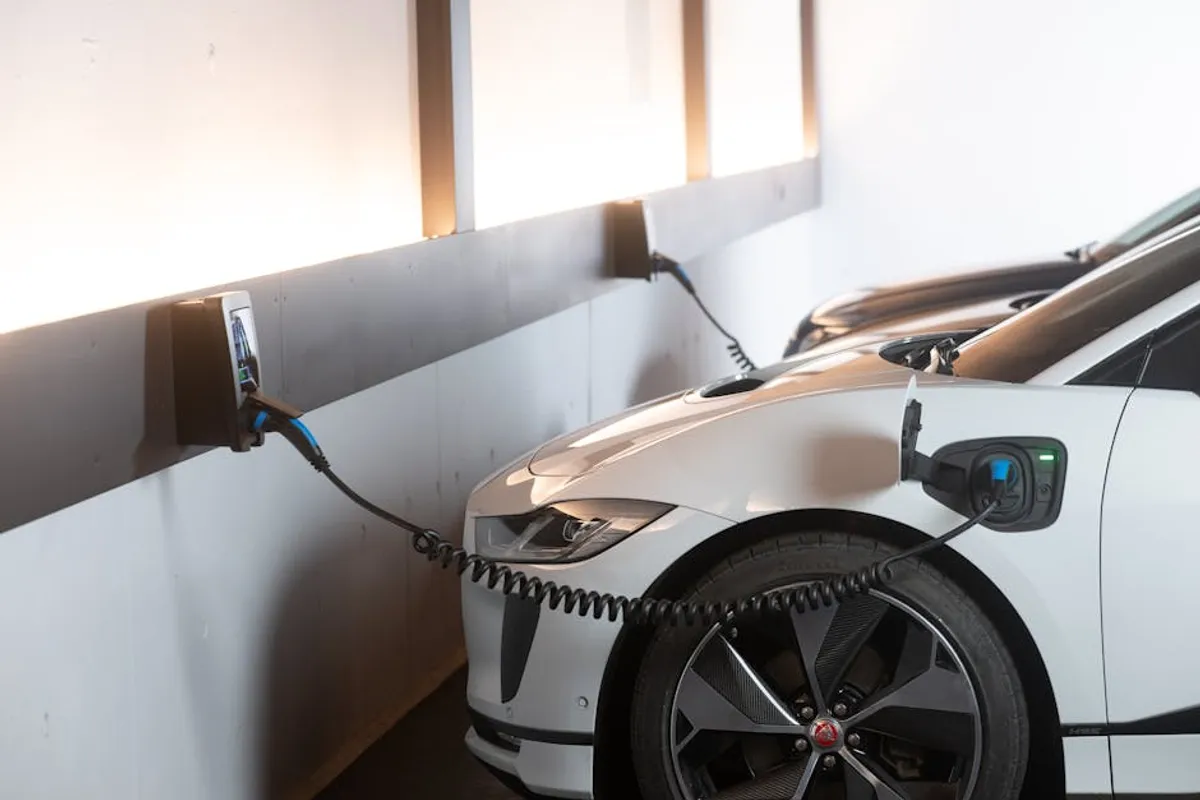
Electric mobility is fundamentally reshaping global transportation paradigms, moving beyond a niche concept to a core strategy for urban planning, commercial logistics, and personal travel. This transformation is driven by a confluence of factors: tightening emissions regulations, advancements in battery technology, and a growing emphasis on sustainability across industries. For businesses, municipalities, and individual consumers, understanding these shifts is critical for strategic planning and operational adjustments. The transition impacts everything from supply chain management and public infrastructure investment to consumer purchasing decisions and energy grid stability. This article outlines the specific ways electric mobility is altering transport sectors and the implications for stakeholders.
Reshaping Urban Logistics and Delivery
The urban logistics and last-mile delivery sectors are experiencing a significant pivot towards electrification. Companies operating in dense urban environments face increasing pressure to reduce emissions and noise pollution, often mandated by low-emission zones and municipal regulations. Electric vans, trucks, and even cargo bikes provide a direct solution to these challenges.
Operational Efficiency: Electric commercial vehicles typically incur lower per-mile fuel costs compared to their internal combustion engine (ICE) counterparts, especially when charging during off-peak electricity hours. Maintenance costs are also generally lower due to fewer moving parts in electric powertrains, reducing downtime and extending vehicle lifespan. This translates to a more predictable total cost of ownership (TCO) over the vehicle's operational life, a key metric for fleet managers.
Environmental Compliance and Brand Image: Adopting electric fleets helps businesses meet environmental targets and enhances their corporate social responsibility profile. This can be a differentiating factor for consumers and B2B partners who prioritize sustainability. Furthermore, quieter electric vehicles contribute to reduced noise pollution in residential areas, improving community relations.
Impact on Public Transit Systems
Public transportation authorities globally are investing in electric buses, trams, and trains to modernize their fleets and achieve environmental objectives. This shift is particularly pronounced in cities aiming for carbon neutrality and improved air quality.
- Emissions Reduction: Electric public transport vehicles produce zero tailpipe emissions, directly contributing to cleaner urban air and better public health outcomes.
- Noise Mitigation: The quieter operation of electric buses and trams reduces ambient noise levels in cities, enhancing the urban environment for residents and pedestrians.
- Operational Benefits: While initial capital expenditure can be higher, electric public transport often yields long-term savings through lower energy costs and reduced maintenance, similar to commercial fleets.
- Infrastructure Investment: Implementing electric public transport requires substantial investment in charging or overhead line infrastructure, depot upgrades, and grid capacity enhancements.
The Evolution of Personal Transportation
The consumer market for electric vehicles (EVs) continues to expand, driven by technological advancements, government incentives, and a growing environmental consciousness. Personal EVs, ranging from compact cars to SUVs, are becoming increasingly commonplace on roads.
Charging Infrastructure Development: The proliferation of EVs necessitates a robust and accessible charging infrastructure. This includes public charging networks (fast chargers, destination chargers), workplace charging solutions, and residential charging installations. The development and standardization of these networks are crucial for widespread consumer adoption.
Battery Technology Advancements: Continuous innovation in battery chemistry and packaging leads to increased range, faster charging times, and enhanced durability. These improvements directly address common consumer concerns like "range anxiety" and the convenience of refueling.
Performance and Driving Experience: Many electric vehicles offer instant torque, resulting in rapid acceleration and a smooth, quiet driving experience. This performance aspect, combined with lower running costs in many regions, contributes to their appeal.
Emerging Mobility Services
Electric mobility is also a cornerstone of emerging transportation services, fundamentally altering how people move within cities without owning a personal vehicle.
- Ride-Sharing Electrification: Major ride-sharing platforms are increasingly integrating electric vehicles into their fleets, driven by sustainability goals and operational cost benefits for drivers.
- Micro-Mobility: Electric scooters and e-bikes have become ubiquitous in many urban centers, offering flexible, on-demand solutions for short-distance travel. These services address last-mile connectivity gaps and reduce reliance on personal cars for quick trips.
- Autonomous Electric Shuttles: Pilot programs for autonomous electric shuttles are exploring new models for public transport, particularly for fixed routes in campuses, airports, and designated urban zones. These vehicles aim to optimize efficiency and accessibility.
Pro Tip: For any organization considering a significant transition to electric mobility, a comprehensive total cost of ownership (TCO) analysis is indispensable. This analysis must extend beyond initial purchase price to include energy costs, maintenance, potential tax incentives, infrastructure investments, and residual values over the entire operational lifecycle. Neglecting these broader financial implications can lead to unforeseen challenges in budget management and operational efficiency.
Infrastructure Demands and Energy Grids
The widespread adoption of electric mobility places significant demands on existing energy infrastructure. The transition requires not just more electricity generation, but also smart grid management and strategic placement of charging facilities.
Charging Network Expansion: The need for public, semi-public, and private charging stations is paramount. This includes rapid DC chargers along major corridors, Level 2 chargers at workplaces and retail locations, and basic Level 1 charging at residences. Planning and deploying this infrastructure requires coordination between utilities, governments, and private enterprises.
Smart Grid Integration: Managing the increased electricity demand from EV charging requires smart grid technologies. These systems can optimize charging times to align with renewable energy availability and off-peak grid capacity, preventing strain on the electrical network and maximizing efficiency. Vehicle-to-grid (V2G) technology, where EVs can feed power back into the grid during peak demand, represents a future opportunity for grid stabilization.
Renewable Energy Sources: To fully realize the environmental benefits of electric mobility, the electricity powering these vehicles must increasingly come from renewable sources such as solar, wind, and hydropower. This integration reduces the overall carbon footprint associated with transport.
Battery Technology and Lifecycle Considerations
Batteries are the core technology enabling electric mobility, and their ongoing development is crucial for the sector's growth and sustainability. Considerations extend beyond performance to include raw material sourcing and end-of-life management.
Advancements in Energy Density and Charging Speed: Researchers are continuously working on improving battery energy density, allowing for longer ranges from smaller, lighter battery packs. Simultaneously, faster charging technologies are reducing the time required to replenish a battery, making EVs more convenient for long-distance travel.
Raw Material Sourcing: The production of EV batteries relies on critical minerals such as lithium, cobalt, and nickel. Sustainable and ethical sourcing of these materials is a growing concern, driving innovation in material science and supply chain transparency.
Recycling and Second-Life Applications: Developing robust recycling processes for EV batteries is essential to minimize environmental impact and recover valuable materials. Additionally, "second-life" applications, where retired EV batteries are repurposed for stationary energy storage, offer a way to extend their utility before full recycling.
Strategic Planning for an Electric Future
The shift to electric mobility is not merely a technological upgrade but a systemic transformation requiring integrated strategic planning across multiple sectors. Businesses, urban planners, and policymakers must anticipate and adapt to these changes to leverage opportunities and mitigate challenges.
For fleet operators, this involves detailed analysis of routes, charging needs, and total cost of ownership. For city planners, it means integrating charging infrastructure into urban development, updating building codes, and planning for grid capacity. For energy providers, it necessitates investment in smart grid technologies and renewable energy sources to support increased demand. Ultimately, a coordinated approach that addresses technological, economic, and environmental factors will define the success of this global transition.
Frequently Asked Questions About Electric Mobility
How does electric mobility impact air quality?
Electric vehicles produce zero tailpipe emissions, significantly reducing local air pollutants like nitrogen oxides (NOx) and particulate matter (PM) in urban areas. The overall impact on air quality depends on the electricity source; greater reliance on renewable energy for charging further enhances environmental benefits.
What are the main challenges for widespread EV adoption?
Key challenges include the availability and speed of charging infrastructure, the initial purchase cost of electric vehicles compared to conventional cars, range anxiety (the fear of running out of charge), and the sustainability of battery production and recycling processes.
Is the electricity grid prepared for mass electric vehicle charging?
While the grid can handle current EV numbers, widespread adoption will require significant upgrades to generation capacity, transmission, and distribution networks. Smart charging solutions, demand-side management, and integrating renewable energy sources are crucial for managing future load increases efficiently.
How does electric mobility affect public transport planning?
Electric mobility influences public transport planning by promoting the adoption of electric buses and trains, requiring investment in charging/power infrastructure, and encouraging the development of integrated, multi-modal systems that include electric micro-mobility options. It also aims to reduce operational noise and emissions in urban environments.