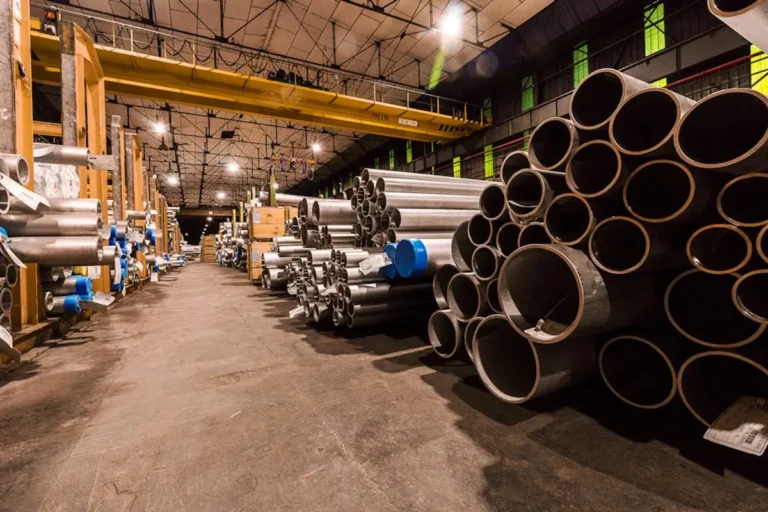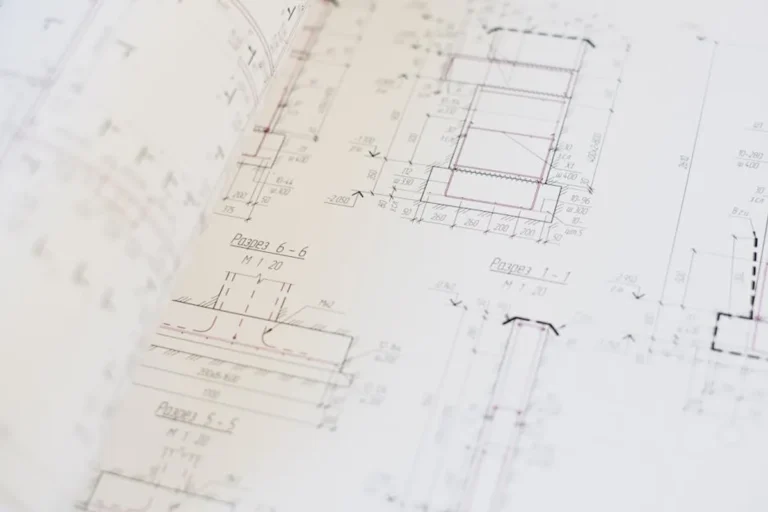
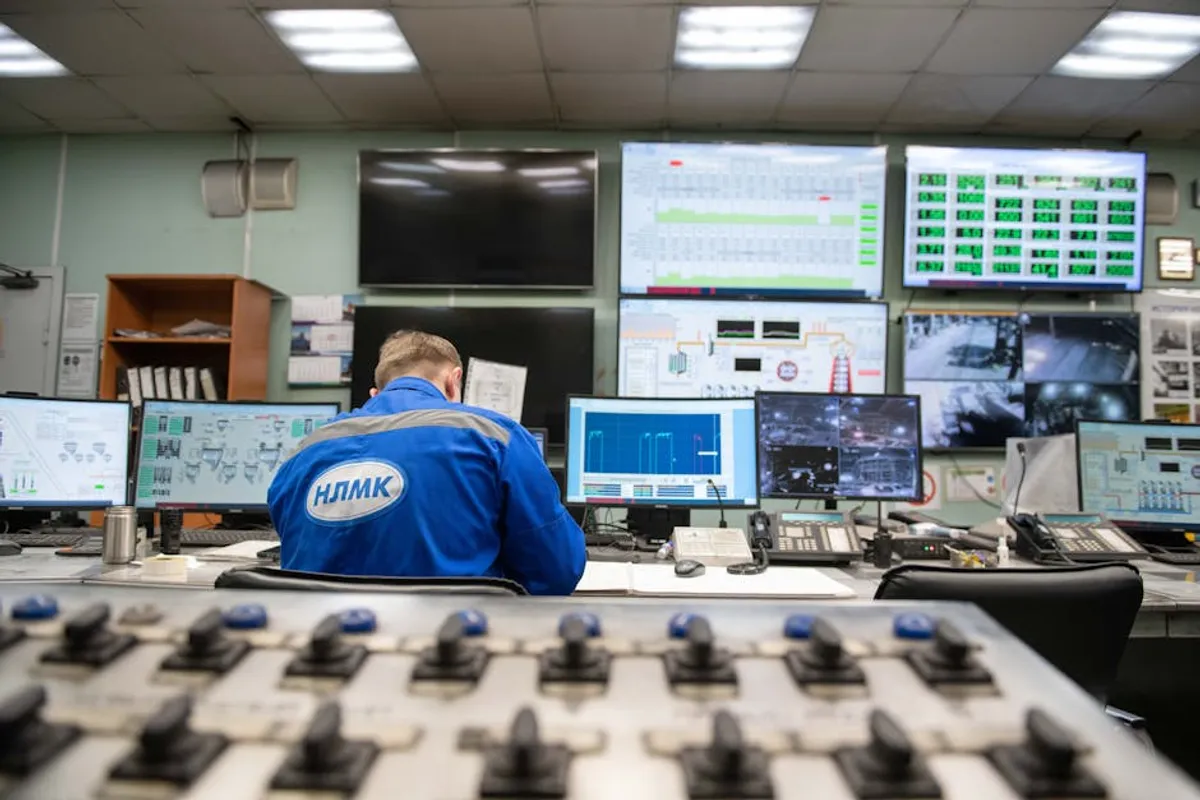
Effective quality control (QC) in engineering projects serves as a critical differentiator, moving beyond mere compliance to become a strategic investment. Neglecting robust QC protocols frequently leads to significant cost overruns, project delays, safety incidents, and irreparable damage to an organization’s reputation. This article outlines the foundational principles, implementation stages, and practical tools necessary to establish and maintain a rigorous quality control framework, ensuring project integrity and delivering consistent, reliable outcomes that meet or exceed stakeholder expectations. Beyond the physical components, adhering to best practices for documentation ensures clarity and traceability throughout the project lifecycle.
Core Principles of Engineering Project Quality Control
Implementing effective quality control in engineering hinges on a set of interconnected principles that guide every phase of a project. These are not isolated tasks but rather integrated components of a comprehensive quality management system (QMS).
- Proactive Planning: Quality is engineered in, not inspected in. This involves defining clear quality objectives, establishing measurable criteria, and developing a detailed quality management plan before project execution begins. It includes identifying relevant industry standards (e.g., ISO 9001, specific engineering codes) and incorporating them into project specifications.
- Clear Documentation and Standardization: Every process, specification, and test procedure must be documented comprehensively. Standardization ensures consistency across different teams, projects, and phases. This includes standard operating procedures (SOPs), work instructions, checklists, and inspection forms.
- Continuous Monitoring and Measurement: Quality control is an ongoing activity. Regular inspections, testing, and performance monitoring are crucial to identify deviations from standards early. This requires establishing key performance indicators (KPIs) and collecting data for analysis.
- Root Cause Analysis and Corrective Action: When non-conformances or defects are identified, the focus shifts to understanding why they occurred. Root cause analysis prevents recurrence, while corrective actions address the immediate issue and implement systemic improvements.
- Stakeholder Engagement: Quality is a shared responsibility. Engaging all project stakeholders—from clients and suppliers to project teams and end-users—ensures that quality requirements are understood, communicated, and met throughout the project lifecycle.
Implementing Quality Control Across Project Phases
Quality control is not a post-production check; it is integrated into every stage of an engineering project, from initial concept to final delivery. Each phase presents unique opportunities for intervention and assurance.
Design and Planning Phase
This foundational stage determines the project’s quality potential. Rigorous QC here prevents costly changes downstream.
Key activities:
- Requirements Definition: Ensuring client needs are accurately captured, unambiguous, and measurable.
- Design Reviews: Formal, structured reviews by multidisciplinary teams to identify errors, omissions, and potential issues in design documents (drawings, specifications, calculations) before they are finalized.
- Standard Adherence: Verifying that all designs comply with relevant industry codes, safety regulations, and environmental standards.
- Risk Assessment: Identifying potential quality risks and developing mitigation strategies.
Procurement and Supply Chain Phase
The quality of incoming materials and components directly impacts the final product. QC in this phase focuses on supplier reliability and material integrity.
Key activities:
- Supplier Qualification: Vetting potential suppliers based on their quality management systems, track record, and technical capabilities.
- Material Inspection: Receiving inspections to verify that delivered materials meet specified requirements, including quantity, dimensions, and material properties.
- Traceability: Implementing systems to track materials from their origin through installation, aiding in recall or defect investigation.
Construction and Execution Phase
This phase involves the physical realization of the design. In-process quality control is paramount to prevent defects from accumulating.
Key activities:
- In-Process Inspections: Regular checks at critical hold points (e.g., before concrete pours, after welding, before covering electrical conduits) to ensure work conforms to specifications.
- Testing: Non-destructive testing (NDT), destructive testing, functional testing, and performance testing as required by the project specifications.
- Workmanship Standards: Ensuring that all work is performed according to established industry best practices and project-specific workmanship criteria.
- Site Audits: Periodic audits of work areas, safety practices, and documentation to ensure compliance.
Commissioning and Handover Phase
The final stage verifies that the completed project functions as intended and meets all operational requirements before client acceptance.
Key activities:
- Functional Testing: Verifying that all systems and components operate correctly and interact as designed.
- Performance Verification: Ensuring the project meets its specified performance metrics (e.g., efficiency, capacity).
- Documentation Review: Confirming that all as-built drawings, operation and maintenance manuals, and test reports are complete and accurate.
- Client Acceptance: Formal sign-off by the client, confirming satisfaction with the delivered quality.
Pro Tip: Proactive vs. Reactive QC
Shift your focus from detecting defects after they occur to preventing them from happening. Proactive quality control, embedded early in design and planning, significantly reduces the cost of quality by minimizing rework, delays, and warranty claims. Reactive measures, while necessary for immediate issue resolution, are inherently more expensive and disruptive.
Leveraging Tools and Methodologies for Enhanced Quality
Various tools and methodologies support the implementation of robust quality control, providing systematic approaches to identify, analyze, and resolve quality issues.
Statistical Process Control (SPC): Utilizes statistical methods to monitor and control a process, ensuring it operates within its capabilities. Control charts, for instance, help identify when a process might be drifting out of specification, allowing for timely intervention.
Lean Six Sigma: A methodology focused on improving process performance by eliminating waste (Lean) and reducing variation (Six Sigma). It employs a structured problem-solving approach (DMAIC: Define, Measure, Analyze, Improve, Control) to drive continuous improvement in quality and efficiency.
Checklists and Inspection Forms: Simple yet powerful tools for ensuring consistency and completeness in tasks. They standardize inspection points, reduce human error, and provide a clear record of verification.
Non-Conformance Reports (NCRs): Formal documents used to record any deviation from specified requirements. NCRs detail the non-conformance, its impact, root cause, and the corrective and preventive actions taken, creating a valuable historical record for future learning.
Building a Culture of Quality Excellence
Establishing effective quality control extends beyond processes and tools; it requires fostering a pervasive culture where quality is a shared value and responsibility. This involves leadership commitment, continuous training, open communication channels for reporting issues without fear of reprisal, and recognizing contributions to quality. When every team member understands their role in upholding quality standards, and is empowered to act on potential issues, the entire project benefits from enhanced integrity, reduced risk, and superior outcomes.
Frequently Asked Questions About Quality Control in Engineering Projects
What is the primary goal of quality control in engineering?
The primary goal is to ensure that the engineering project, its components, and its processes consistently meet predefined specifications, standards, and client requirements, thereby delivering a reliable, safe, and fit-for-purpose outcome while minimizing defects and rework.
How does quality assurance differ from quality control?
Quality assurance (QA) is process-oriented, focusing on preventing defects through systematic activities like planning, training, and audits, ensuring the processes for creating deliverables are effective. Quality control (QC) is product-oriented, focusing on identifying and correcting defects in the actual deliverables through inspections, testing, and measurements.
What are the consequences of poor quality control in an engineering project?
Poor quality control can lead to significant financial losses due to rework, material waste, schedule delays, increased warranty claims, and potential legal liabilities. It also severely damages an organization's reputation, erodes client trust, and can result in safety hazards or operational failures of the delivered asset.
Can quality control be automated in engineering projects?
While human oversight remains crucial, many aspects of quality control can be significantly enhanced through automation. This includes automated inspection systems (e.g., computer vision), sensor-based monitoring for real-time data collection, robotic testing, and digital platforms for document management and non-conformance tracking. Automation improves efficiency, consistency, and data accuracy.