Improving energy efficiency in commercial buildings is not merely an environmental consideration; it is a direct operational imperative impacting profitability, asset valuation, and regulatory compliance. Commercial property owners and facility managers face escalating energy costs, stringent emission targets, and increasing tenant demand for sustainable spaces. A structured approach to identifying and addressing energy waste can yield significant returns, often within a short payback period, by reducing utility expenses, extending equipment lifespan, and improving occupant comfort and productivity. This checklist provides a framework for evaluating current consumption, identifying upgrade opportunities, and establishing practices that drive sustained energy savings within commercial properties. This includes carefully comparing energy and HVAC solutions to ensure the best fit for your building's unique needs and budget.
Initial Energy Audit and Baseline Establishment
Before implementing any changes, a comprehensive understanding of current energy consumption patterns is essential. An energy audit establishes a baseline against which future savings can be measured, pinpointing specific areas of waste and potential for improvement.
- Professional Energy Audit: Engage certified energy auditors to conduct Level 1 (walk-through), Level 2 (detailed), or Level 3 (investment-grade) audits. These audits provide detailed analyses of energy use, identify specific opportunities for savings, and estimate costs and payback periods for recommended measures.
- Utility Bill Analysis: Review historical utility data (electricity, gas, water) for at least 12-24 months. Identify peak demand charges, seasonal variations, and unexpected spikes. This data informs load management strategies and verifies the impact of interventions.
- Benchmarking: Compare your building’s energy performance against similar buildings in your region or industry using tools like ENERGY STAR Portfolio Manager. This contextualizes consumption and highlights areas where your building underperforms.
- Sub-metering Implementation: Install sub-meters for major energy-consuming systems (e.g., HVAC, lighting, production lines) to isolate consumption data. This granular data enables targeted interventions and accurate measurement of savings from specific projects.
Building Envelope Enhancements
The building envelope acts as the primary barrier between indoor and outdoor environments. Deficiencies here lead to significant heat loss or gain, forcing HVAC systems to work harder and consume more energy.
- Insulation and Air Sealing Evaluation: Inspect walls, roofs, and foundations for adequate insulation R-values and air leakage points. Upgrade insulation in attics, walls, and crawl spaces. Seal gaps around windows, doors, pipes, and electrical conduits with caulk, weatherstripping, or spray foam to minimize uncontrolled air infiltration.
- Window and Door Performance: Assess the condition of windows and doors. Consider replacing single-pane windows with high-performance, double or triple-pane units featuring low-emissivity (Low-E) coatings. Ensure all doors seal tightly and have proper weatherstripping. Exterior shading devices can also reduce solar heat gain.
- Roofing System Integrity: Evaluate the roof's insulation levels and reflectivity. Cool roofs, which reflect solar radiation, can significantly reduce cooling loads in warmer climates. Ensure the roof is free of leaks that can compromise insulation effectiveness.
HVAC System Optimization
Heating, Ventilation, and Air Conditioning (HVAC) systems typically account for 40-60% of a commercial building's total energy consumption. Optimizing these systems offers substantial savings potential.
- High-Efficiency Equipment Upgrades: Replace aging, inefficient boilers, chillers, furnaces, and air conditioning units with ENERGY STAR certified or equivalent high-efficiency models. Consider systems with variable refrigerant flow (VRF) or geothermal heat pumps for superior performance.
- HVAC Controls and Zoning: Implement programmable thermostats, smart controls, and zone-based HVAC systems. Zoning allows different areas of the building to be heated or cooled independently based on occupancy and specific needs, preventing energy waste in unoccupied or underutilized spaces.
- Economizers and Energy Recovery Ventilators (ERVs): Install economizers that use outside air for cooling when conditions are favorable. ERVs recover energy from exhaust air to pre-condition incoming fresh air, reducing the load on heating and cooling coils.
- Ductwork Inspection and Sealing: Inspect ductwork for leaks, disconnections, and proper insulation. Leaky ducts can waste up to 30% of conditioned air. Seal all joints and insulate ducts in unconditioned spaces.
- Preventative Maintenance: Establish a rigorous preventative maintenance schedule for all HVAC components, including regular filter changes, coil cleaning, and calibration of sensors and controls. Well-maintained equipment operates more efficiently and has a longer lifespan.
Lighting and Electrical Load Reductions
Lighting and other electrical loads contribute significantly to energy use, often representing 20-30% of a building's electricity consumption. Modern technologies offer clear pathways to reduction.
- LED Lighting Retrofits: Replace traditional incandescent, fluorescent, or metal halide fixtures with high-efficiency LED lighting. LEDs consume significantly less energy, have a longer lifespan, and offer better light quality.
- Lighting Controls: Install occupancy sensors in low-traffic areas (restrooms, storage rooms, conference rooms) and daylight harvesting controls near windows. These systems automatically dim or turn off lights when not needed or when sufficient natural light is available.
- Plug Load Management: Identify and manage "phantom loads" from electronic devices that consume power even when turned off. Implement smart power strips or schedule device shutdowns during non-operating hours.
- Efficient Equipment Procurement: When purchasing new office equipment (computers, printers, refrigerators), prioritize ENERGY STAR certified models.
Pro Tip: Do not overlook the cumulative impact of small electrical loads. While individually minor, devices like vending machines, water coolers, and server racks can collectively consume substantial power. Consider high-efficiency models or smart power management solutions for these often-forgotten energy drains.
Integration of Renewable Energy and Storage
Generating your own energy or storing it can significantly reduce reliance on the grid, lower electricity bills, and enhance energy independence.
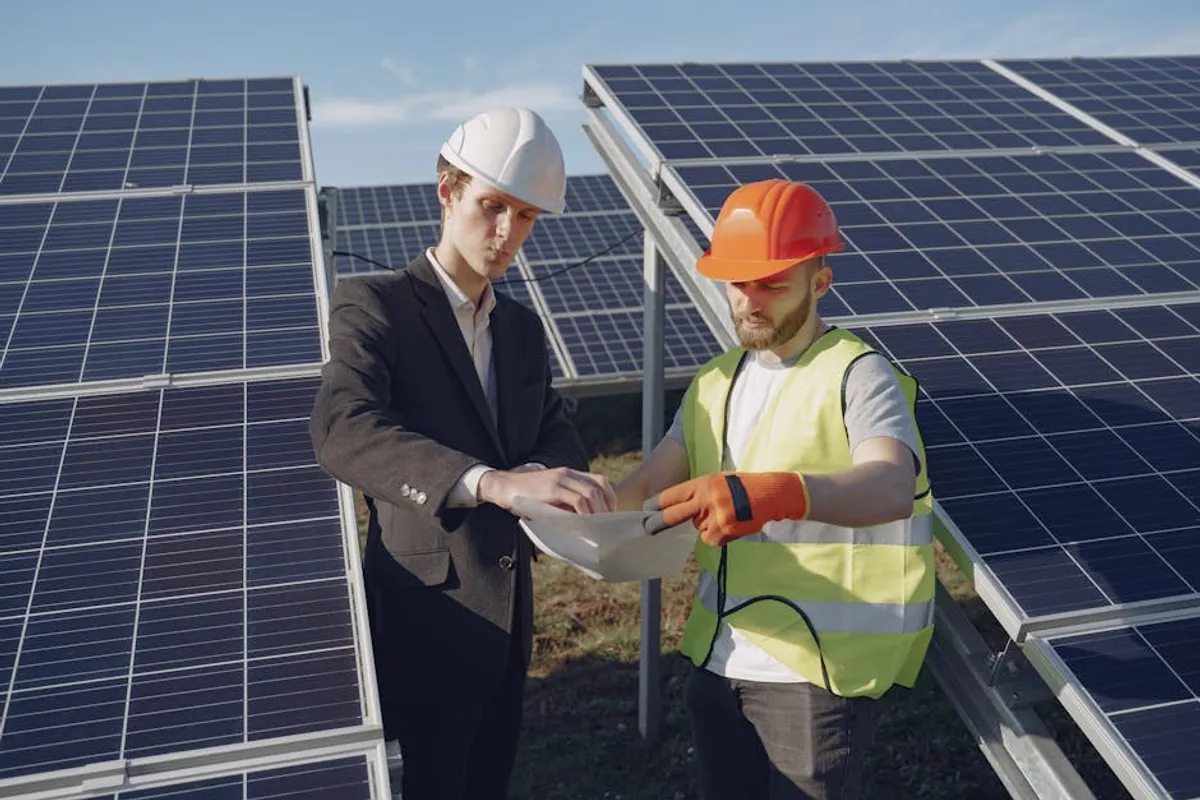
- Solar Photovoltaic (PV) Systems: Evaluate the feasibility of installing rooftop or ground-mounted solar panels to generate electricity. Assess roof structural integrity, shading, and local solar incentives.
- Geothermal Heating and Cooling: Consider geothermal systems that use the stable underground temperature to provide efficient heating and cooling, particularly beneficial for new construction or major renovations.
- Battery Energy Storage Systems (BESS): Integrate battery storage to store excess renewable energy or to perform peak shaving, reducing demand charges by drawing from stored energy during high-cost periods.
Advanced Building Management and Controls
Modern building management systems (BMS) offer centralized control and monitoring, enabling precise optimization of energy use across all building systems.
- Building Management System (BMS) Implementation: Deploy or upgrade to an advanced BMS that integrates HVAC, lighting, security, and other systems. A BMS allows for real-time monitoring, automated scheduling, and fault detection.
- Smart Sensors and IoT Integration: Utilize smart sensors for occupancy, temperature, humidity, and CO2 levels to provide granular data to the BMS, enabling dynamic adjustments to environmental controls based on actual conditions.
- Predictive Maintenance: Leverage data from sensors and the BMS to move from reactive to predictive maintenance, identifying potential equipment failures before they occur, reducing downtime, and optimizing operational efficiency.
Ongoing Operations, Maintenance, and Occupant Engagement
Technology alone is insufficient for sustained energy efficiency. Operational practices and occupant behavior play a critical role in realizing and maintaining savings.
- Regular Commissioning and Re-commissioning: Ensure all building systems are installed and operating according to design specifications (commissioning) and periodically re-verified for optimal performance (re-commissioning).
- Occupant Engagement Programs: Educate tenants and employees on energy-saving practices, such as turning off lights and electronics, adjusting thermostats responsibly, and reporting maintenance issues. Visible feedback on energy consumption can motivate behavioral changes.
- Waste Management and Recycling Programs: Implement robust recycling and waste reduction programs. While not directly energy consumption, efficient waste management reduces the energy footprint associated with disposal and manufacturing new materials.
Strategic Planning for Long-Term Efficiency
Energy efficiency is an ongoing process, not a one-time project. A long-term strategy ensures continuous improvement and adaptation to new technologies and regulations.
Develop a capital expenditure plan for future energy-efficient upgrades, factoring in equipment lifecycles and technological advancements. Regularly review energy performance data to identify new opportunities and verify the effectiveness of implemented measures. Stay informed about evolving energy codes, incentives, and sustainability certifications (e.g., LEED, BREEAM) to maintain competitive advantage and compliance. Integrating energy efficiency into core business operations and decision-making processes positions commercial buildings for sustained financial and environmental benefits.
Frequently Asked Questions
How quickly can I see ROI from energy efficiency upgrades?
ROI varies significantly based on the specific upgrade, existing building conditions, and energy costs. Simple measures like LED lighting retrofits or improved insulation can have payback periods as short as 1-3 years, while more complex HVAC or renewable energy systems might take 5-10 years. An energy audit provides specific projections for your property.
What is the most impactful first step for improving energy efficiency?
The most impactful first step is typically a professional energy audit. This provides a data-driven roadmap, prioritizing measures with the highest ROI and ensuring resources are allocated effectively, rather than making speculative upgrades.
Are there government incentives or grants for commercial building energy efficiency?
Yes, many governments at federal, state, and local levels offer tax credits, rebates, grants, or low-interest loans for commercial energy efficiency upgrades and renewable energy installations. Research programs specific to your geographic location and industry, as these can significantly reduce upfront costs.
How can I ensure my energy efficiency gains are sustained over time?
Sustaining gains requires ongoing commitment. Implement a robust preventative maintenance schedule for all equipment, utilize a building management system for continuous monitoring and optimization, and foster occupant engagement through regular communication and training on energy-saving practices. Regular re-commissioning also helps maintain peak performance.