
The industrial transport sector is undergoing a profound transformation, driven by technological advancements, evolving consumer demands, and increasing pressure for sustainability. Businesses operating within or relying on complex supply chains face a critical juncture: adapt to these shifts or risk operational inefficiencies, increased costs, and diminished competitive standing. Understanding the trajectory of these industrial transport trends is not merely an exercise in foresight; it is a strategic imperative for optimizing logistics, mitigating risks, and identifying new avenues for growth. This analysis outlines the pivotal trends shaping the future of industrial transport, offering actionable insights for businesses to navigate this dynamic landscape effectively.
Automation and Robotics Integration
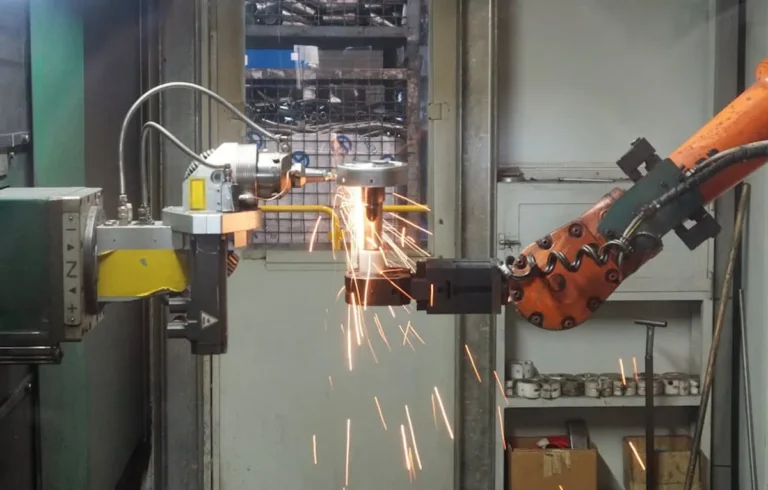
Automation is fundamentally reshaping how goods move, from factory floors to final delivery points. The integration of robotics and automated systems addresses labor shortages, enhances operational speed, and significantly improves precision in handling and sorting. This trend extends beyond fixed-position robots in warehouses to mobile and autonomous solutions impacting line-haul and last-mile operations.
Autonomous Vehicles and Drones
The development and deployment of autonomous vehicles (AVs) for long-haul trucking are progressing, with pilot programs demonstrating potential for increased efficiency through continuous operation and reduced human error. While regulatory and infrastructure challenges remain, the long-term vision involves AVs handling rote transport segments, freeing human drivers for more complex routes or specialized tasks. Similarly, delivery drones are expanding beyond niche applications, offering rapid, localized transport for smaller packages, particularly in urban and remote areas. Their utility is primarily in reducing delivery times and accessing difficult-to-reach locations.
Automated Warehousing and Material Handling
Within logistics hubs, automated storage and retrieval systems (AS/RS), robotic picking solutions, and automated guided vehicles (AGVs) are becoming standard. These technologies reduce reliance on manual labor for repetitive tasks, increase storage density, and accelerate order fulfillment cycles. The result is a more resilient and scalable warehousing operation capable of handling fluctuating demand with greater accuracy.
Electrification and Sustainable Fleets
The push for decarbonization and stringent emission regulations are accelerating the transition to electric vehicles (EVs) across all transport modes. This shift is driven by environmental mandates, corporate sustainability goals, and the increasing economic viability of electric alternatives.
EV Adoption and Infrastructure Development
Commercial EV options, from heavy-duty trucks to light delivery vans, are expanding rapidly. Businesses are evaluating total cost of ownership (TCO) benefits, including lower fuel and maintenance costs, against upfront investment in vehicles and charging infrastructure. The widespread adoption of electric fleets necessitates significant investment in robust charging networks, both at depots and along key transport corridors. The reliability and interoperability of charging solutions are critical factors for operational continuity.
Alternative Fuels and Eco-Friendly Logistics
Beyond full electrification, businesses are exploring other sustainable options. Hydrogen fuel cell technology is gaining traction for heavy-duty applications where battery weight or charging times present challenges. Biofuels and renewable natural gas (RNG) also serve as transitional or complementary solutions, reducing the carbon footprint of existing internal combustion engine (ICE) fleets. The overarching goal is to minimize environmental impact across the entire logistics chain, including packaging, route optimization, and waste reduction.
- Electric Trucks: Suitable for urban deliveries and regional hauls, reducing local emissions and noise.
- Hydrogen Fuel Cell Vehicles: Promising for long-haul routes, offering quicker refueling and longer range than current battery EVs.
- Electric Cargo Bikes/Vans: Ideal for last-mile delivery in congested urban centers, reducing traffic and emissions.
- Autonomous Electric Shuttles: For controlled environments like ports and industrial parks, optimizing internal material flow.
Data Analytics and AI for Optimization
The volume of data generated by modern transport operations is immense. Leveraging this data with advanced analytics and artificial intelligence (AI) provides unparalleled opportunities for efficiency gains, predictive capabilities, and strategic decision-making.
Real-time Tracking and Route Optimization
AI-powered platforms analyze real-time traffic, weather, and delivery constraints to dynamically optimize routes, minimizing fuel consumption and delivery times. This capability extends to managing fleets more effectively, ensuring vehicles are utilized optimally and reducing empty miles. Predictive analytics can forecast potential delays, allowing for proactive adjustments and improved customer communication.
Predictive Maintenance and Inventory Management
AI algorithms analyze telematics data from vehicles to predict maintenance needs before failures occur, reducing downtime and extending asset lifespan. This proactive approach minimizes unexpected breakdowns and associated costs. In inventory management, AI can forecast demand with greater accuracy, optimizing stock levels, reducing warehousing costs, and preventing stockouts or overstocking. This integration ensures that transport resources are aligned with actual product flow.
Pro Tip: When evaluating new transport technologies, prioritize solutions that offer robust data integration capabilities. The true value of automation and electrification is amplified when performance metrics, maintenance schedules, and operational data can be centrally analyzed to inform continuous improvement and strategic planning.
Supply Chain Resiliency and Diversification
Recent global disruptions have underscored the fragility of highly optimized, lean supply chains. Businesses are now prioritizing resilience, seeking to build robust systems capable of withstanding unforeseen shocks.
Regionalization and Multi-Sourcing Strategies
A move away from single-source, long-distance supply chains towards regionalized production and multi-sourcing is gaining momentum. This strategy reduces reliance on distant suppliers and complex international logistics, mitigating risks associated with geopolitical events, trade disputes, or natural disasters. Diversifying supplier bases across different geographies enhances flexibility and reduces the impact of disruptions in any single region.
Blockchain and Transparency
Blockchain technology offers a decentralized, immutable ledger for tracking goods and transactions across the supply chain. This enhances transparency, providing real-time visibility into product origin, movement, and authenticity. For industrial transport, blockchain can streamline customs processes, reduce fraud, and provide verifiable proof of delivery, building greater trust and accountability among all stakeholders.
Navigating the Evolving Landscape
The industrial transport sector is in a period of rapid evolution, and businesses must adopt a proactive stance to remain competitive. Strategic investment in new technologies, coupled with a commitment to sustainability and supply chain resilience, will define market leaders. Begin by conducting a thorough audit of current logistics operations to identify areas where automation, electrification, or data analytics can yield the most significant returns. Foster partnerships with technology providers and logistics experts to pilot new solutions and scale successful initiatives. Prioritize workforce development, training employees to manage and operate advanced systems, ensuring a smooth transition and maximizing the benefits of technological integration. Agility in adapting to regulatory changes and market shifts will be paramount. The businesses that embrace these trends will not only optimize their transport operations but also build more sustainable, efficient, and resilient supply chains for the future.
Frequently Asked Questions
How will these trends affect small and medium-sized businesses (SMBs)?
SMBs can leverage these trends by focusing on scalable solutions and strategic partnerships. Cloud-based logistics software and 'as-a-service' models for fleet management or automated warehousing can lower entry barriers. Collaborating with larger logistics providers who have already invested in advanced technologies can also provide access to sophisticated capabilities without significant upfront capital expenditure.
What is the biggest challenge in adopting these new transport technologies?
The primary challenge often lies in the significant upfront capital investment required for new vehicles, infrastructure, and software, coupled with the complexity of integrating diverse systems. Additionally, ensuring a skilled workforce capable of operating and maintaining these advanced technologies is a critical factor that businesses must address through training and recruitment initiatives.
How can businesses begin implementing sustainable transport practices?
Start with an assessment of your current carbon footprint from transport operations. Implement route optimization software to reduce fuel consumption immediately. Explore transitioning a portion of your fleet to electric vehicles for shorter, predictable routes, and invest in charging infrastructure. Engage with suppliers and logistics partners to identify opportunities for collaborative sustainability initiatives, such as consolidated shipments or alternative fuel usage.